What is auto parts ecommerce website development?
Auto parts ecommerce website development is the work of building a store where buyers can confirm a part fits their vehicle before they pay. Fitment is the product: if a shopper cannot trust that a brake rotor fits their 2019 F-150, nothing else on the page matters.
Automotive ecommerce has some of the largest and messiest catalogs in retail. A single part can fit hundreds of vehicles, a single vehicle can have thousands of compatible parts, and the data arrives from manufacturers in industry formats that need careful handling.
How auto parts buyers shop
- Vehicle-first search: DIYers and shops start by selecting year, make, model and often submodel or engine.
- Part-number search: professionals paste OEM or interchange numbers and expect exact matches.
- Price and availability comparison: buyers check marketplaces and competitors before ordering.
- Project-based buying: enthusiasts plan builds and buy related parts together over several weeks.
Must-have features for an auto parts online store
The must-have features make fitment obvious and reduce wrong-part returns, which are the biggest margin leak in this category.
- YMM fitment search: year-make-model-submodel-engine selectors on the home page, categories and product pages.
- Fit confirmation badges: clear "fits your vehicle" or "does not fit" messages on every product.
- Garage profiles: saved vehicles so returning buyers see compatible parts automatically.
- VIN and plate lookup: decode a VIN to set the exact vehicle configuration.
- Part number and interchange search: OEM, aftermarket and superseded numbers mapped together.
- Core charges and kits: refundable core fees, kits and assemblies priced correctly.
- Freight for oversized parts: LTL quotes for bumpers, exhausts and body panels.
- Installer and shop accounts: trade pricing and fast reorder for repair shops.
Which platform is best for automotive ecommerce?
BigCommerce and Adobe Commerce are the most common fits for large parts catalogs, while Shopify Plus works for brands selling a focused product line. The fitment engine and catalog size usually decide the platform.
| Platform | Best for |
|---|---|
| BigCommerce | Mid-to-large parts catalogs with multichannel selling |
| Adobe Commerce | Distributors with hundreds of thousands of SKUs and B2B pricing |
| Shopify Plus | Performance and accessory brands with a focused catalog |
| Headless (Next.js + search engine) | Very large fitment datasets needing fast filtered results |
| Custom build | Unique fitment logic, rebuilt parts programs or dealer networks |
Our BigCommerce development services are a strong fit for most parts sellers, and we add headless commerce development when fitment queries outgrow what a platform's native search can return quickly.
How YMM fitment search and ACES/PIES data work
YMM fitment search works by matching a shopper's vehicle against fitment records attached to each part. In North America, that data usually arrives in the ACES (fitment) and PIES (product attributes) standards.
We build import pipelines that validate ACES and PIES files, flag gaps and conflicts, and load clean fitment into a fast search index. When a manufacturer updates data, the pipeline refreshes the catalog without manual spreadsheet work. Fitment pages also become strong landing pages for searches like "2018 Civic brake pads," which is where our ecommerce SEO services team focuses technical work.
Integrations parts sellers need
- Fitment data providers and vehicle databases for YMM and VIN decoding
- ERP and warehouse systems for multi-location inventory
- Supplier and drop-ship feeds for price and stock
- Amazon, eBay Motors and Walmart through Amazon integration for ecommerce
- LTL freight and parcel carriers for oversized parts
- AI search that understands slang, misspellings and part nicknames
Compliance and shipping considerations for auto parts
Auto parts sellers need rules for emissions-related parts, hazardous materials and oversized shipments. The store should enforce them by product and destination automatically.
- Emissions restrictions: blocking or flagging parts not legal for sale or use in certain states, based on the certification data you provide.
- Hazmat shipping: batteries, fluids and aerosols flagged for ground-only or restricted services.
- Prop 65 warnings: warning text displayed for California shoppers where your compliance team requires it.
- Core returns: tracking returned cores against original orders for refunds.
- Accessibility: fitment selectors built to WCAG 2.2 AA with full keyboard support.
How our auto parts ecommerce website development process works
We build parts stores in 8–16 weeks, and the fitment data pipeline starts in week one because everything depends on it.
- Discovery & Strategy: audit fitment data quality, catalog size, channels and trade programs.
- Conversion UX/UI Design: vehicle selectors, garage, fit badges and part-number search.
- Architecture & API Engineering: ACES/PIES pipeline, search index, ERP and marketplace connections.
- Custom Development: fitment logic, core charges, freight and shop accounts.
- Testing & Optimization: fitment accuracy sampling and speed testing on large result sets.
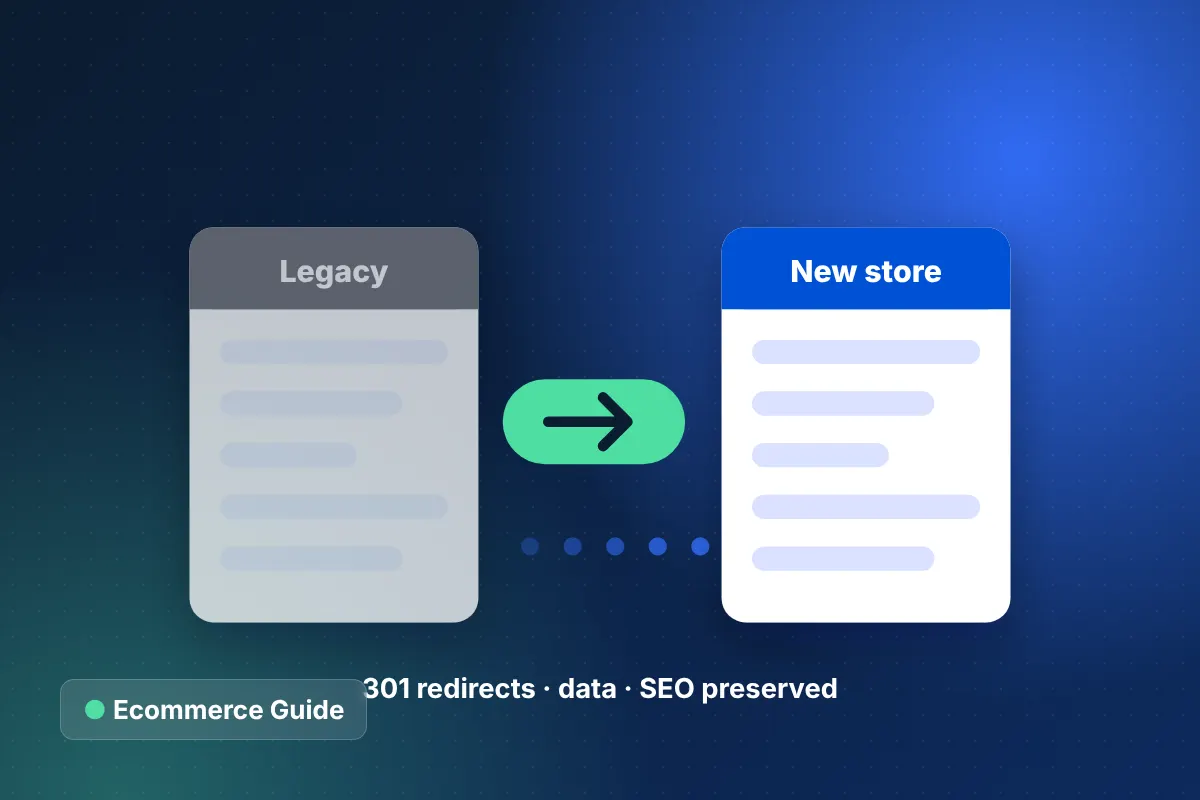
- Zero-Downtime Launch: redirects for legacy part and vehicle URLs.
After launch, we monitor searches that return no fitting parts and vehicles with thin coverage. Those reports tell your merchandising team exactly where to add fitment data or new products, turning search gaps into catalog priorities.
Specialized parts stores usually fall between $25,000 and $60,000. Large distributor catalogs with headless search and B2B accounts run $60,000–$150,000+, delivered in fixed-price milestones.
Get a free auto parts ecommerce estimate
If wrong-fit returns or slow vehicle search are costing you sales, we can rebuild the experience around clean fitment data. Size your project with the ecommerce website cost calculator and book a free 30-minute strategy call to plan your auto parts ecommerce website development project.