What is ecommerce app development?
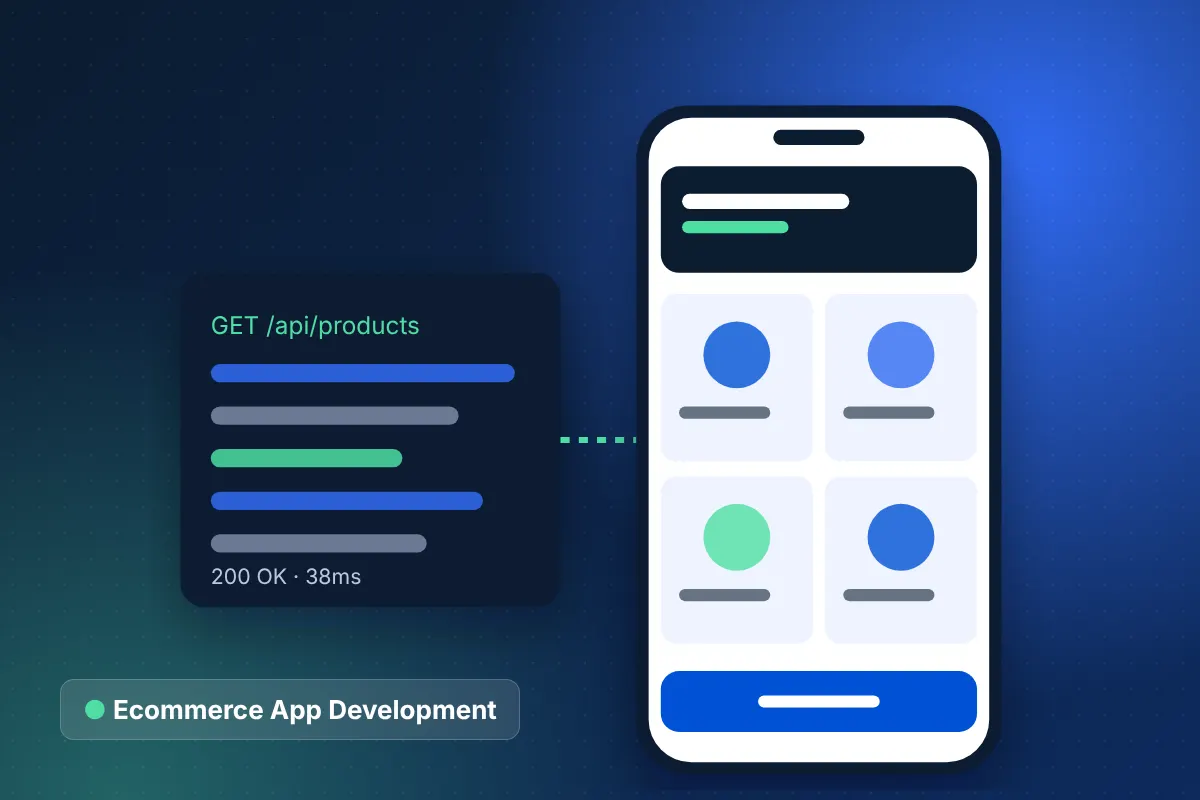
Ecommerce app development is the process of designing, building and launching a mobile shopping app that runs on iOS and Android and shares data with your existing store. The app uses your store's products, prices, inventory, customer accounts and checkout through APIs, so there's one source of truth for the business.
A shopping app isn't a replacement for your mobile website; it's a channel for your most loyal customers. People who install your app have already chosen your brand, and features like push notifications, saved preferences and one-tap reordering make it easier for them to buy again. That's why ecommerce app development pays off most for brands with strong repeat purchase behavior.
Do you need a native ecommerce mobile app or a PWA?
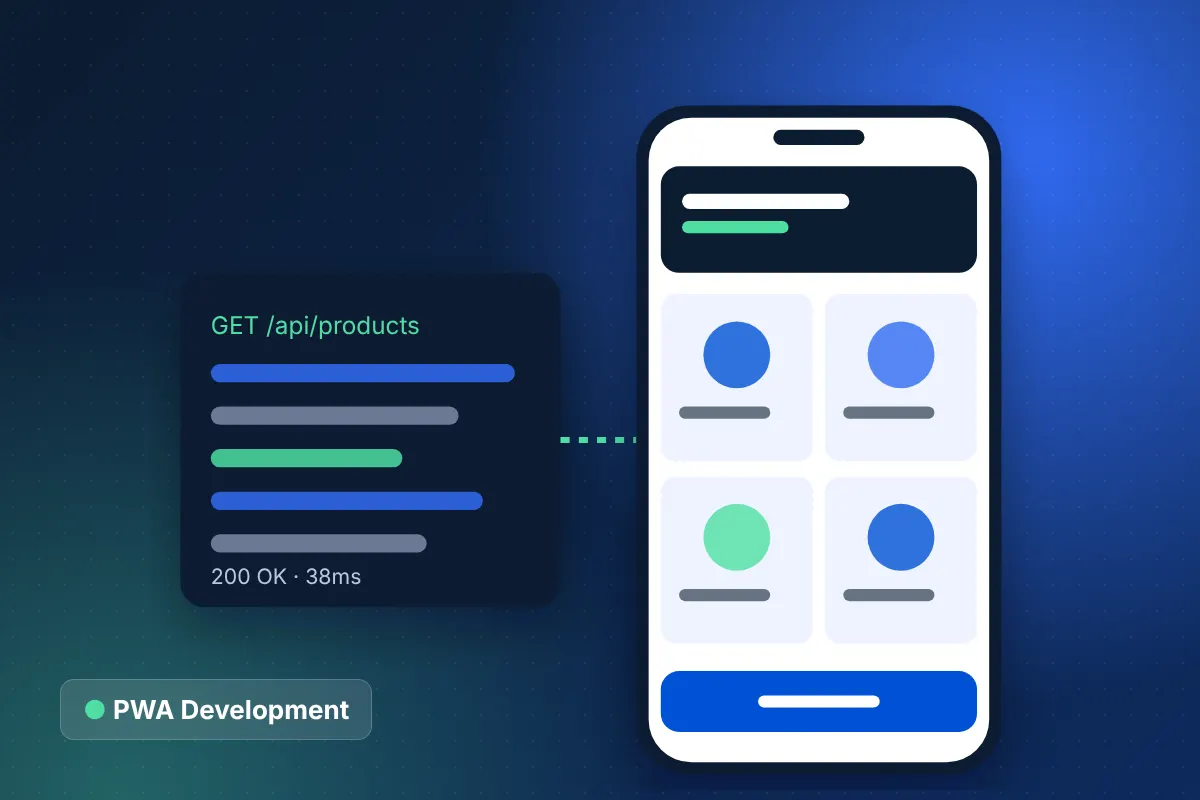
Build a native or cross-platform app if repeat customers, push notifications and device features drive your revenue; choose a progressive web app if you mainly want a faster, app-like mobile website without app store distribution. Many brands eventually run both.
| Factor | Native / React Native app | Progressive web app (PWA) | Responsive mobile site |
|---|---|---|---|
| Distribution | App Store and Google Play | Browser, optional home screen install | Browser |
| Push notifications | Full support on iOS and Android | Supported, with more limits on iOS | Not available |
| Device features | Camera, biometrics, wallets, widgets | Partial access | Limited |
| Best for | Loyal, repeat customers | Speed and reach for all mobile visitors | Baseline mobile experience |
| Build and maintenance effort | Highest | Medium | Lowest |
If a PWA fits better, our progressive web app ecommerce team can deliver app-like speed and installability on the web instead.
What features should an ecommerce shopping app have?
A shopping app should make finding, buying and rebuying faster than your website does, and give customers a reason to keep it installed. These are the features we build most often.
Core commerce features
- Fast product search, filters and personalized recommendations.
- Native checkout with Apple Pay, Google Pay and saved payment methods.
- Customer accounts with order history, tracking and returns.
- Wishlists, saved carts and back-in-stock alerts.
Retention features
- Segmented push notifications for drops, restocks and abandoned carts.
- Loyalty points, tiers and app-exclusive offers.
- One-tap reorder and subscription management.
- Biometric login and deep links from email and social campaigns.
How do we build shopping apps for iOS and Android?
We usually build with React Native, which shares one codebase across iOS and Android while delivering native performance and access to device features. For apps with demanding graphics or platform-specific features, we build fully native in Swift and Kotlin.
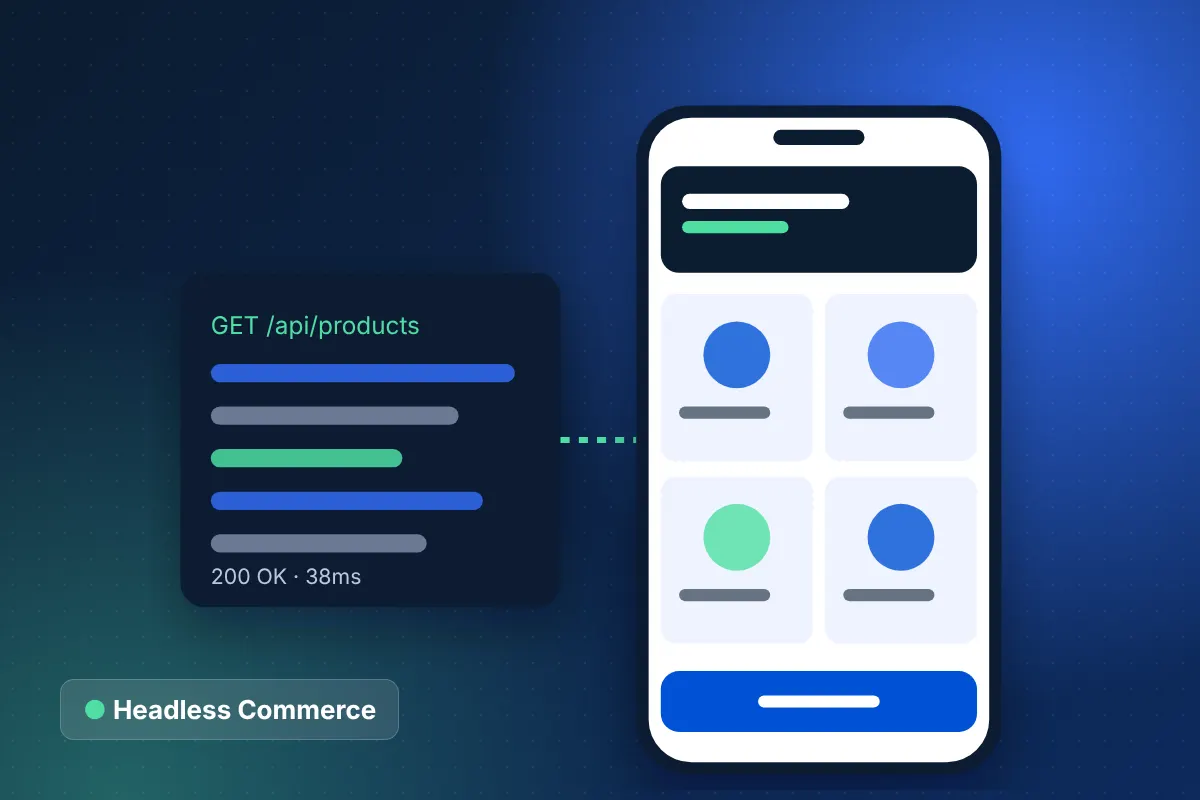
The app connects to your commerce platform through its APIs. On Shopify, that means the Storefront API and customer accounts, giving you a Shopify mobile app that shares products, discounts and checkout with your online store. On BigCommerce and Adobe Commerce, we use their GraphQL APIs, and for complex setups we add a lightweight middleware layer, often as part of a headless commerce development architecture that serves web and app from the same services.
- Shared design system between your website and app, so the brand feels consistent.
- Analytics and attribution events tied to your GA4 and marketing tools.
- Remote configuration so marketing can change banners and featured products without a release.
- Crash reporting and performance monitoring from day one.
How much does ecommerce app development cost?
Ecommerce app development is scoped after discovery, because cost depends heavily on features, platforms and integrations. For reference, our specialized custom builds typically fall between $25,000 and $60,000, complex projects tied to headless or multi-region B2B architectures run $60,000–$150,000+, and our smallest engagements start around $15,000.
The main cost drivers are:
- Cross-platform React Native versus separate native iOS and Android apps.
- Checkout approach: native payments, platform checkout or both.
- Loyalty, subscription, personalization and AR features.
- Integrations with ERP, CRM, reviews and marketing platforms.
- Ongoing releases for new OS versions and app store requirements.
We work on fixed-price milestones. To see a likely range for your wider project, use the ecommerce website cost calculator.
How does the app connect to subscriptions, loyalty and back-office systems?
The app reads and writes the same data as your store, so subscriptions, loyalty balances, inventory and orders stay consistent across every channel. Customers can start a subscription on the web and manage it in the app, or earn points in-store and spend them on mobile.
Subscription brands benefit most. In our subscription ecommerce case study, a specialty beverage brand expanded annual recurring revenue by $1.2M and reached 88% subscriber retention by making subscription management simple and self-service, exactly the kind of experience an app reinforces.
Our ecommerce app development process, from discovery to app store launch
We follow our six-phase process: Discovery and Strategy, Conversion UX/UI Design, Architecture and API Engineering, Custom Development, Testing and Optimization, and Zero-Downtime Launch. A typical build takes 8–16 weeks, with discovery and design in weeks 1–4, development in weeks 5–12, and testing and launch in weeks 13–16.
- Beta testing through TestFlight and Google Play internal testing tracks.
- App Store and Google Play listings, screenshots and review submissions handled for you.
- Accessibility checks against platform guidelines and WCAG 2.2 AA where applicable.
- Post-launch support with 24/7 monitoring and a 15-minute critical response.
Our team works from Houston, Texas, with clients across the US and internationally. We've delivered 350+ ecommerce projects, and you own 100% of the app source code and store accounts.
Get a free ecommerce app development estimate
Thinking about a shopping app? Book a free ecommerce strategy call and spend 30 minutes with a senior mobile lead who will assess whether an app, a PWA or both makes sense for your customers. We'll follow up with a free estimate for your ecommerce app development project, and you can run the cost calculator first to frame your budget.