What is multi vendor marketplace development?
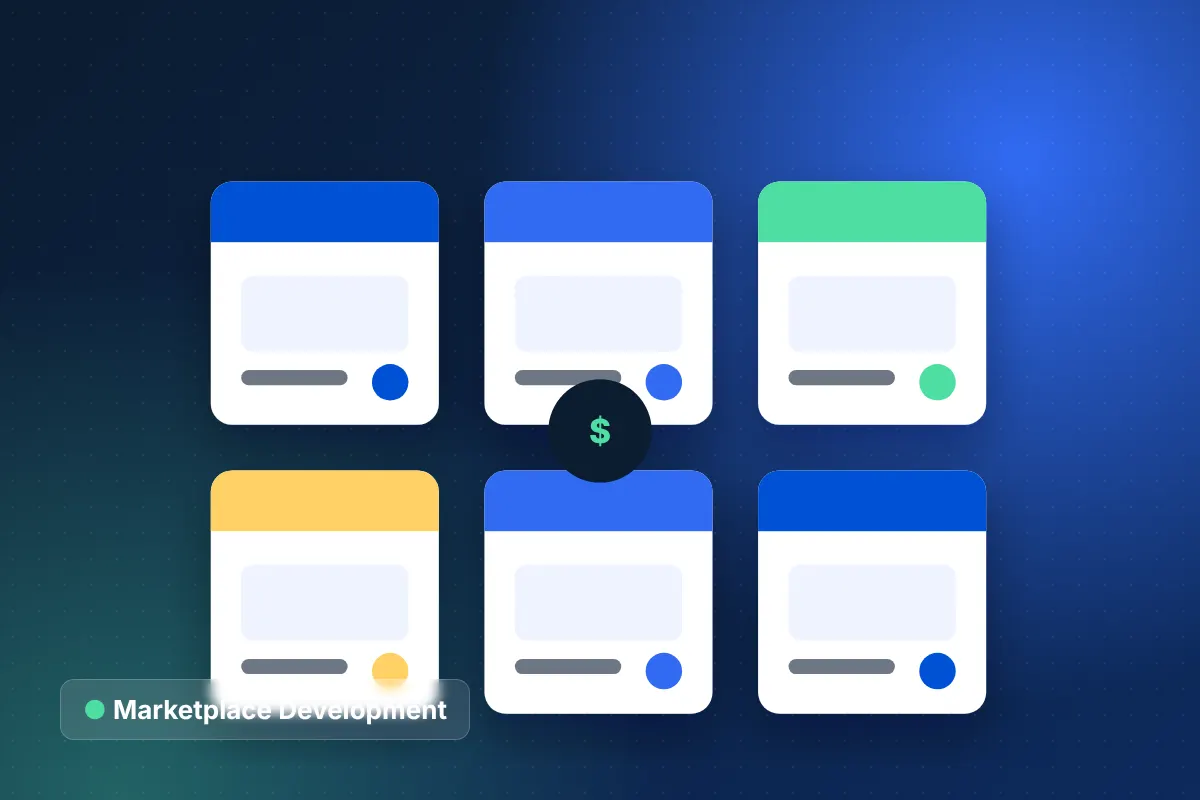
Multi vendor marketplace development is the work of building a platform where third-party sellers sell to your buyers while you control the experience and take a commission. Think of it as two products in one: a storefront for shoppers and an operating system for vendors.
That second product is where most marketplace projects succeed or fail. Custom Ecommerce has delivered 350+ ecommerce projects over 15+ years, and the hard parts are rarely the homepage. They are payouts, tax handling, catalog quality, order splitting and the rules that keep sellers honest.
Who builds a marketplace
- Retailers extending their range with drop-ship or curated third-party sellers without holding inventory.
- Distributors and manufacturers creating B2B marketplaces where dealers and suppliers transact on negotiated terms.
- Founders launching niche vertical marketplaces for products, rentals or services.
Core features of a multi vendor marketplace platform
A working marketplace needs buyer, vendor and operator features from day one. Missing any one of the three creates manual work that will not scale.
Buyer experience
Unified search and filtering across all sellers, a single cart that can hold items from multiple vendors, clear seller ratings, shipping estimates per vendor and one checkout. Buyers should never feel they are shopping on five different sites.
Vendor portal
- Self-serve registration with identity and business verification (KYC/KYB).
- Product upload by form, CSV or API, with variant and attribute templates per category.
- Inventory, pricing and promotion management.
- Order fulfillment, shipping labels, returns and messaging.
- Payout history, commission statements and tax documents.
Operator back office
Commission rules by category, vendor or tier; catalog moderation queues; dispute and refund handling; vendor scorecards; and reporting on gross merchandise value, take rate and seller performance.
We also build automation that protects the operator: rules that flag suspicious listings, delay payouts for new vendors until their first orders are fulfilled, and suspend sellers whose cancellation or late-shipment rates cross your thresholds. These controls keep buyer trust high without adding headcount.
How to build a marketplace like Amazon or Etsy
You build a marketplace like Amazon by starting much smaller than Amazon. Launch with one focused category, a tight vendor onboarding flow and automated payouts, then add complexity once you have liquidity on both sides.
Your platform choice depends on catalog size, vendor count and how unique your business rules are. Our online marketplace platform solutions page covers business models in more depth; the table below compares the engineering paths.
| Approach | Best for | Strengths | Trade-offs |
|---|---|---|---|
| Marketplace plugin on Shopify, Magento or WooCommerce | Pilot marketplaces with a modest seller count | Fast to launch, familiar admin | Plugin limits on payouts, search and performance |
| Dedicated marketplace SaaS engine | B2C marketplaces with standard rules | Vendor tooling out of the box | Less control over UX and data model |
| Headless custom marketplace | Unique commission, B2B or multi-region rules | Full control, scales with volume, you own the IP | Larger upfront investment |
Many clients start with a dedicated engine behind a custom front end, then move pieces in-house as volume grows. That path relies on solid headless commerce development so the storefront and vendor tools can evolve independently.
Payments, payouts and compliance for marketplaces
Marketplace payments must split each order between vendors and the operator, hold funds until fulfillment, and stay compliant with money transmission and tax rules. Getting this right early prevents the most expensive rework.
We typically build on Stripe Connect, PayPal for Marketplaces or Adyen for Platforms, which handle seller onboarding, regulated fund flows and payout scheduling. Our payment gateway integration services cover the detail: delayed captures for made-to-order items, partial refunds across vendors, chargeback routing and reconciliation exports for finance.
Sales tax, VAT and marketplace facilitator rules vary by jurisdiction. We integrate tax engines such as Avalara or TaxJar and design the data model so your accountants can report correctly. We do not give legal or tax advice, but we build systems that make compliance workable.
Common marketplace mistakes we help you avoid
- Launching too broad: dozens of categories with a handful of sellers each leaves buyers with thin choice. Depth in one category builds trust faster.
- Manual payouts: paying vendors from spreadsheets works for ten sellers and breaks at fifty, and it creates reconciliation errors finance has to unwind.
- No catalog standards: without required attributes and image rules per category, search and filters degrade as soon as vendors upload their own data.
- Ignoring the vendor experience: sellers compare your portal with Amazon Seller Central and Etsy. A clumsy portal slows onboarding and reduces listings.
Our multi vendor marketplace development process
We follow a six-phase process with fixed-price milestones, so you know what each stage costs before it starts. Typical marketplace MVPs land in the 8 to 16 week range.
- Discovery and strategy: business model, commission logic, vendor types, launch category and liquidity plan.
- Conversion UX/UI design: buyer journeys plus the vendor portal, which deserves as much design care as the storefront.
- Architecture and API engineering: data model for multi-vendor catalogs, order splitting, payouts and search indexing.
- Custom development: storefront, vendor portal, operator admin and integrations with payments, tax and shipping.
- Testing and optimization: multi-vendor order scenarios, payout reconciliation, load tests and accessibility checks.
- Zero-downtime launch: seeded vendor onboarding, monitoring and a tuning period after go-live.
How much does multi vendor marketplace development cost?
Most multi vendor marketplace development projects fall between $60,000 and $150,000 or more, because vendor tooling and payment flows add real scope. A focused MVP on an existing platform can fit in the $25,000 to $60,000 band.
Cost depends on:
- Build approach: plugin, marketplace engine or headless custom.
- Number of vendor types and commission models.
- B2B requirements such as quotes, tiered pricing and purchase approvals.
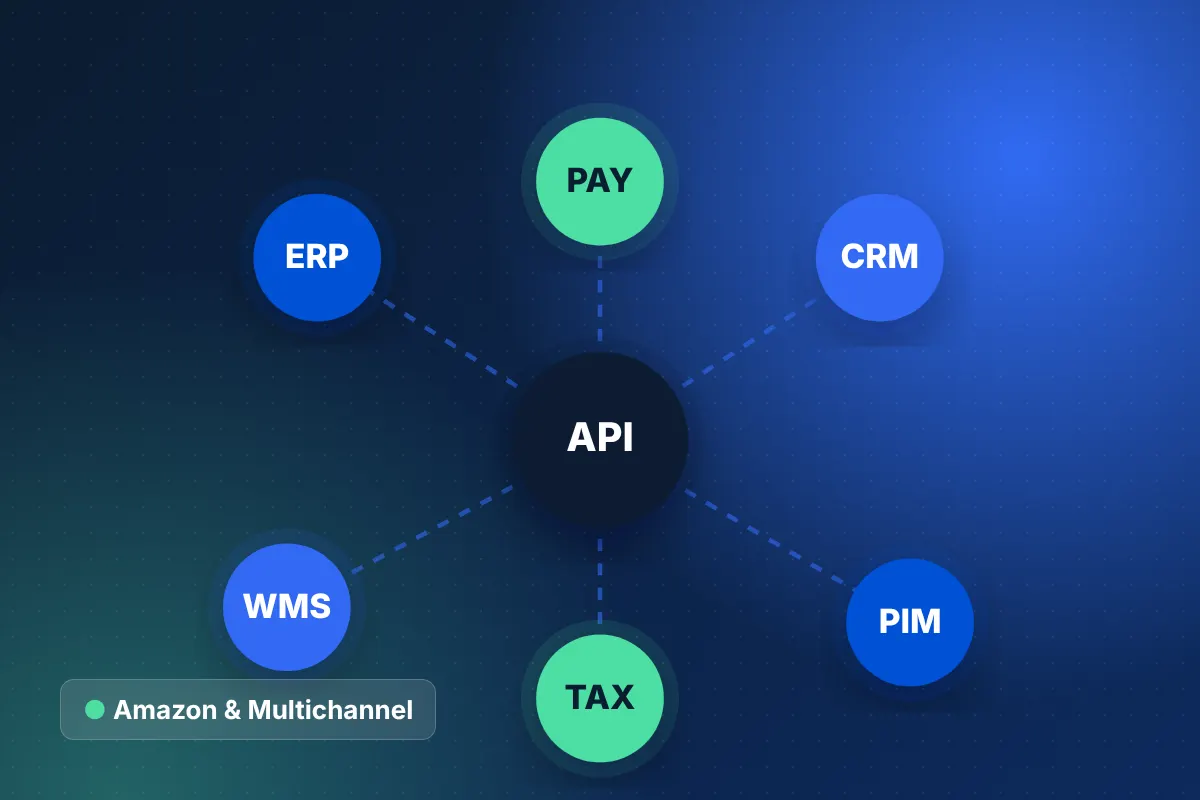
- Integrations with ERPs, shipping carriers, tax engines and vendor feeds.
- Multi-currency, multi-language or multi-region launch.
Get an indicative range with our ecommerce website cost calculator, then refine it in discovery. Every engagement is quoted as a fixed-price milestone contract, and you own 100% of the code.
Why choose our marketplace website development team
We combine marketplace architecture with deep platform experience as a Shopify Plus Certified Partner, Adobe Commerce Solution Partner and BigCommerce Elite Partner. That means we can recommend the right engine instead of forcing one.
Our Houston, Texas office works with marketplace operators across the US and internationally, with 24/7 monitoring and a 15-minute critical response SLA after launch. Our infrastructure follows AWS Well-Architected practices and our security processes are ISO 27001 aligned, which matters when you hold vendor banking data. If your marketplace serves trade buyers, our B2B ecommerce case study shows how we handle 120,000+ SKUs and SAP S/4HANA integration.
Start your multi vendor marketplace development project
The best marketplaces launch narrow, prove demand and scale on a sound architecture. We will help you pick the launch category, payout model and platform, and give you a fixed-price plan for multi vendor marketplace development.
Book a free 30-minute strategy call to get a free project estimate. We reply to every enquiry within 24 hours and sign a mutual NDA on request.