What are cross border ecommerce solutions?
Cross border ecommerce solutions are the technology and operating choices that let a store sell internationally without feeling foreign to the shopper. Prices appear in local currency, taxes and duties are clear before payment, the site speaks the shopper's language and checkout offers the payment methods they trust.
Many brands start by shipping abroad from a US store and quickly see why that is not enough. Shoppers abandon carts when unexpected duties appear on delivery, when they cannot pay with their usual method or when prices change at the last step. Proper international setup removes those surprises.
The best cross border ecommerce solutions treat each market as a customer segment with its own expectations, not just a currency switch. Delivery speed, returns policy, sizing conventions and even which product photos work best can differ by country. Technology makes localization possible; operations decide whether it converts.
What does a store need to sell internationally?
A store needs localized pricing, transparent landed cost, local payments and translated, search-friendly content to sell well internationally. Each piece removes a specific reason shoppers abandon.
Pricing and currency
- Multi-currency display with rounded, market-specific price lists rather than raw conversions.
- Settlement in local currencies where your payment provider supports it.
- GeoIP detection that suggests, not forces, the right regional store.
Taxes, duties and checkout
- Landed-cost calculation so duties and import taxes can be collected at checkout (DDP) instead of on delivery.
- VAT and GST handling for regions that require tax collection at the point of sale, such as EU IOSS registration for low-value shipments.
- Local payment methods and wallets alongside cards, such as iDEAL, Klarna or regional buy-now-pay-later options.
Content and language
Translated product content, size conversions, local units, region-specific shipping and returns pages, and legal pages reviewed for each market. Machine translation is a starting point; key templates and top products deserve human review.
Fulfillment and returns
International shoppers check delivery times and return costs before they buy. Options include shipping everything from the US, using regional 3PL warehouses for top markets, or partnering with a cross-border logistics provider. Each choice changes delivery promises, duty handling and the returns address shown on the site, so we plan it before building checkout.
How does hreflang protect international SEO?
For cross border ecommerce solutions, hreflang is the SEO foundation. Hreflang tags tell search engines which language and regional version of a page to show each searcher, preventing duplicate-content confusion between markets. Without them, your US page can outrank your UK page in the UK, sending shoppers to the wrong currency.
We implement hreflang in sitemaps or page headers, use consistent URL structures (subfolders like /en-gb/ or separate country domains), and keep canonical tags aligned with hreflang pairs. Localized metadata, translated product URLs and market-specific structured data for price and currency complete the picture, so rich results show the right price to each searcher. Our ecommerce SEO services team audits international setups that already exist and fixes conflicting signals.
Which cross-border architecture fits your brand?
Choosing among cross border ecommerce solutions means picking between one store with localized markets, separate regional stores, or a headless front end over one commerce engine. The right answer depends on how different each market really is.
| Architecture | Best for | Consider |
|---|---|---|
| One store with localized markets (e.g. Shopify Markets) | Same catalog, a handful of markets, fast launch | Less control over market-specific content |
| Separate regional stores (e.g. Shopify Plus expansion stores) | Different catalogs, pricing or legal entities per region | More catalogs and apps to manage |
| Headless storefront over one engine | Many regions, rich content, strict performance goals | Higher engineering effort |
| Adobe Commerce multi-website | Complex catalogs and B2B in several regions | Heavier hosting and maintenance |
A global luxury apparel brand came to us with eight separate regional Magento stores. We unified them into one composable inventory backend with a headless Next.js storefront on Shopify Plus, handling currencies, localized content and hreflang centrally. Mobile conversion rose 142%, as detailed in our Magento to Shopify Plus migration case study. For brands on Shopify, our Shopify Plus development agency team configures Markets, expansion stores and checkout localization.
How much do cross border ecommerce solutions cost?
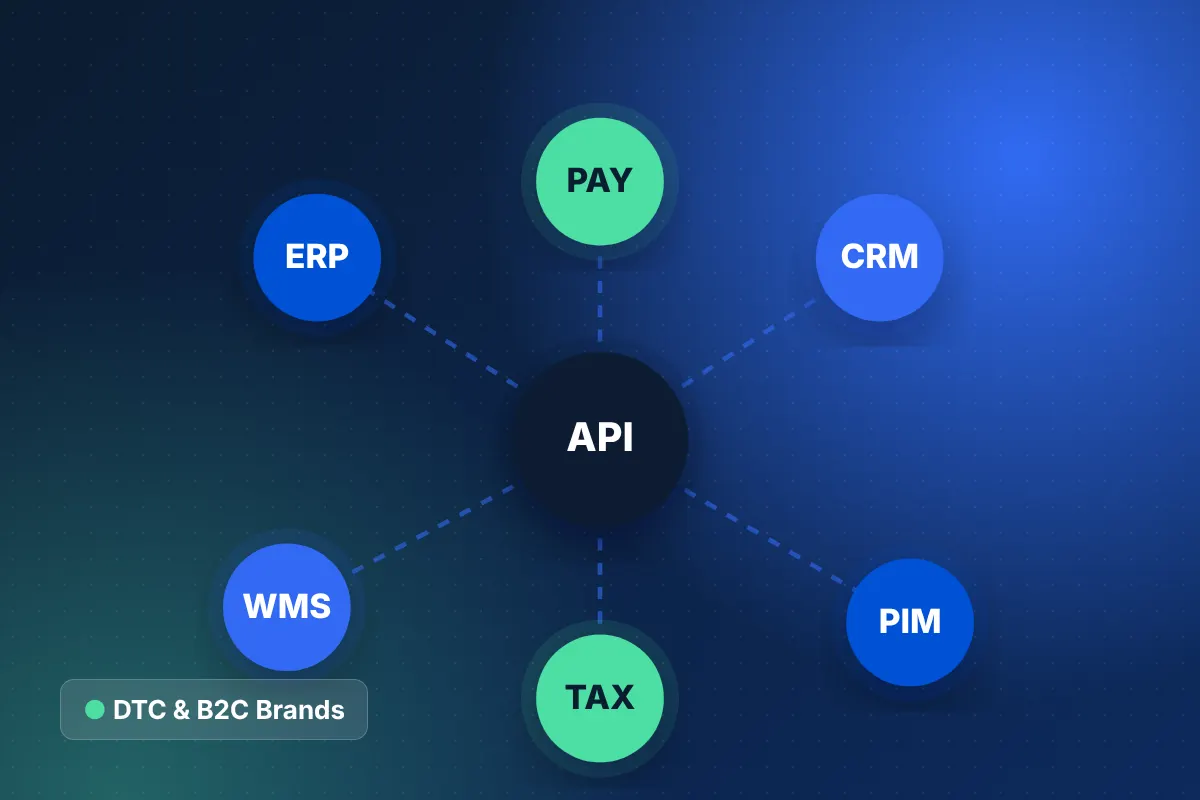
Adding international selling to an existing store often fits our $25,000 to $60,000 band, while multi-region headless builds typically run $60,000 to $150,000+. Scope depends on the number of markets, languages, regional catalogs and integrations with tax, duty and 3PL providers.
We recommend launching a small set of priority markets first, measuring demand, and then expanding. That approach keeps translation, compliance and fulfillment costs aligned with real revenue. It also lets you test which cross border ecommerce solutions work best before committing to every market at once.
How we roll out international stores step by step
International projects follow our six-phase process over a typical 8 to 16 weeks, with market-by-market rollouts where it reduces risk.
- Market selection: use analytics, existing international orders and margin data to pick launch countries.
- Operations plan: agree duties model (DDP or DAP), tax registrations, carriers and returns with your team and advisors.
- Architecture: choose markets versus regional stores versus headless, and the URL structure.
- Localization: pricing, translation, payment methods and legal pages per market.
- Testing: real checkouts from each region, currency rounding, tax and duty accuracy, hreflang validation.
- Launch and monitor: watch conversion, duty disputes and organic visibility by market.
Why brands trust us with international expansion
We work with brands in Houston, Texas, across the US and internationally, and have delivered 350+ ecommerce projects over 15+ years. We are a Shopify Plus Certified Partner, Adobe Commerce Solution Partner and BigCommerce Elite Partner, so we recommend the architecture that suits your markets rather than a single platform. Tax and customs rules change often, so we build systems that are easy to update and work alongside your tax advisors rather than offering legal advice ourselves. After launch, our support team monitors checkout, currency conversion and tax calculations by market with 24/7 monitoring and a 15-minute response for critical issues.
Start your cross-border ecommerce project
If international orders are growing but conversion lags at checkout, cross border ecommerce solutions built around your markets will close the gap. Book a free 30-minute strategy call to review your markets and current setup, or estimate scope with the ecommerce website cost calculator.