What is DTC ecommerce website development?
DTC ecommerce website development means building the store where your brand sells straight to shoppers and keeps the margin, the customer relationship and the data. You control pricing, presentation and the post-purchase experience instead of handing them to a retailer or marketplace.
B2C brands that also sell through retail or Amazon still need a strong owned store. It is where launches happen first, where loyal customers reorder, and where you collect the first-party data that makes every other channel cheaper to run.
That control comes with responsibility. Every second of load time, every extra checkout field and every confusing size chart costs you sales directly. Our DTC and B2C work is built around one question: what does the shopper need to buy with confidence, and how fast can we give it to them?
What makes a DTC store convert better than a template?
High-converting DTC stores win on speed, clarity and trust, not on visual effects. Templates get you live, but they rarely reflect how your specific customers shop.
Speed that passes Core Web Vitals
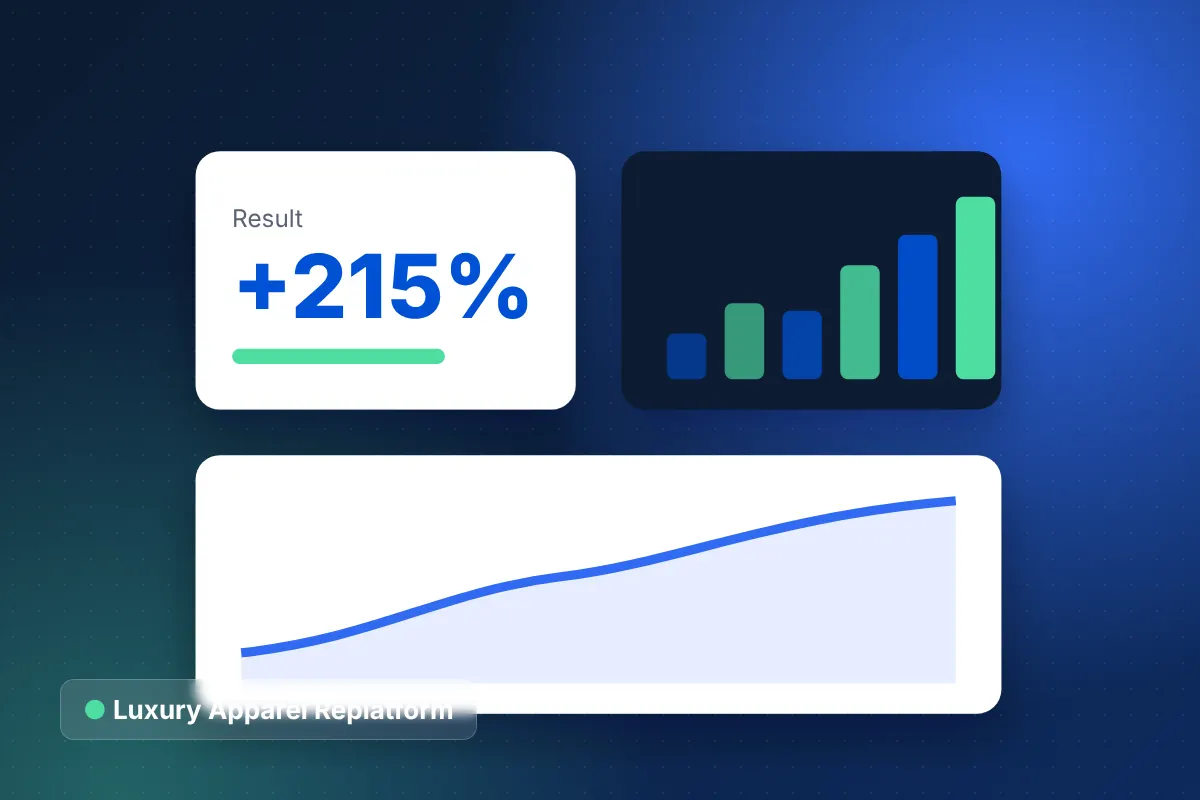
We engineer product and collection pages to meet Google's Core Web Vitals thresholds: LCP at or under 2.5 seconds, INP at or under 200 milliseconds and CLS at or under 0.1. For a global luxury apparel brand we rebuilt on headless Next.js and Shopify Plus, average page load dropped to 0.6 seconds and mobile conversion rate rose 142%. The full story is in our Magento to Shopify Plus migration case study.
Product pages that answer objections
- Clear variant selection, fit or sizing guidance and real stock messaging.
- Reviews, user photos and Q&A placed where hesitation happens.
- Shipping, returns and delivery dates visible before the cart.
Which features should a DTC ecommerce website include?
A DTC website should include express checkout, bundles, personalization and retention tools from day one. These are the features that move average order value and repeat rate, the two numbers that make paid acquisition profitable.
- Express checkout: Apple Pay, Google Pay and Shop Pay for one-tap mobile purchases.
- Bundles and cross-sells: build-a-bundle pages, frequently bought together and cart upsells.
- Personalized recommendations: based on browsing, purchase history and catalog rules.
- Loyalty, referrals and reviews: integrated with the platform rather than bolted on with conflicting scripts.
- Server-side analytics: GA4 and the Meta Conversions API so attribution survives ad blockers and browser privacy limits.
- Accessibility: WCAG 2.2 AA patterns in navigation, forms and checkout.
Integrations behind the storefront
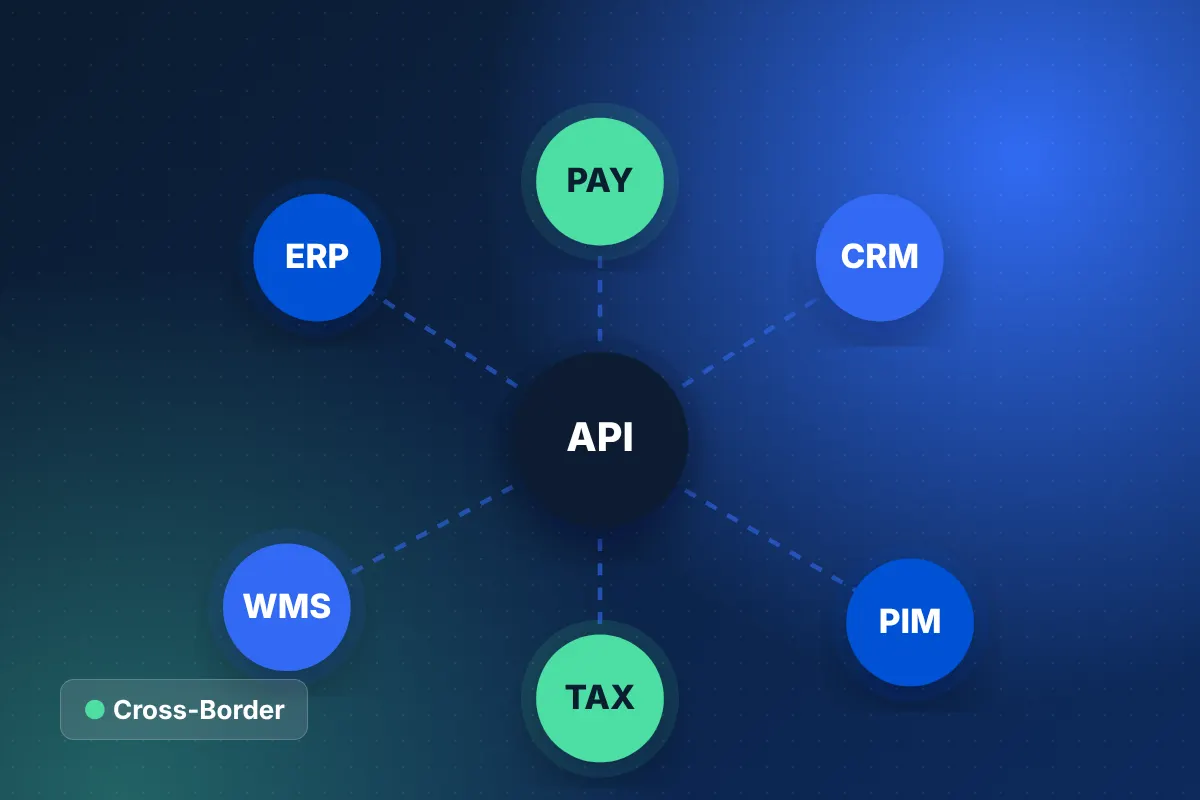
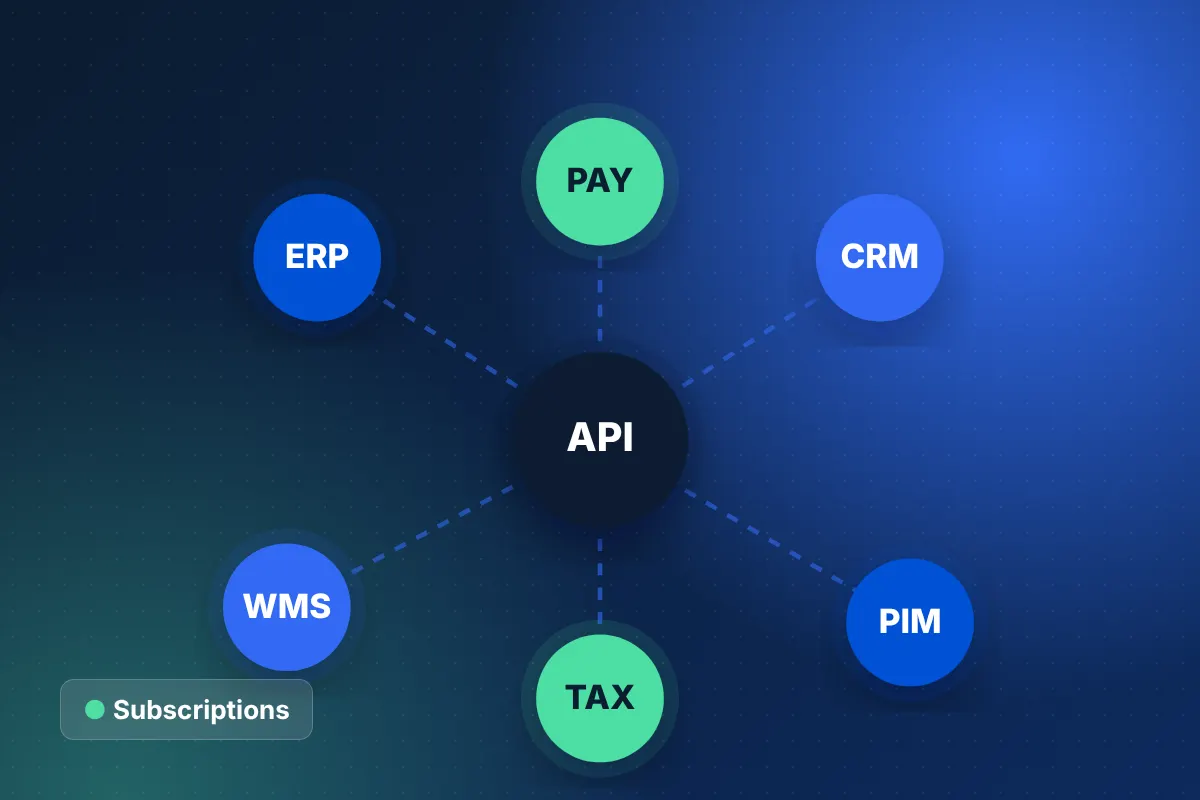
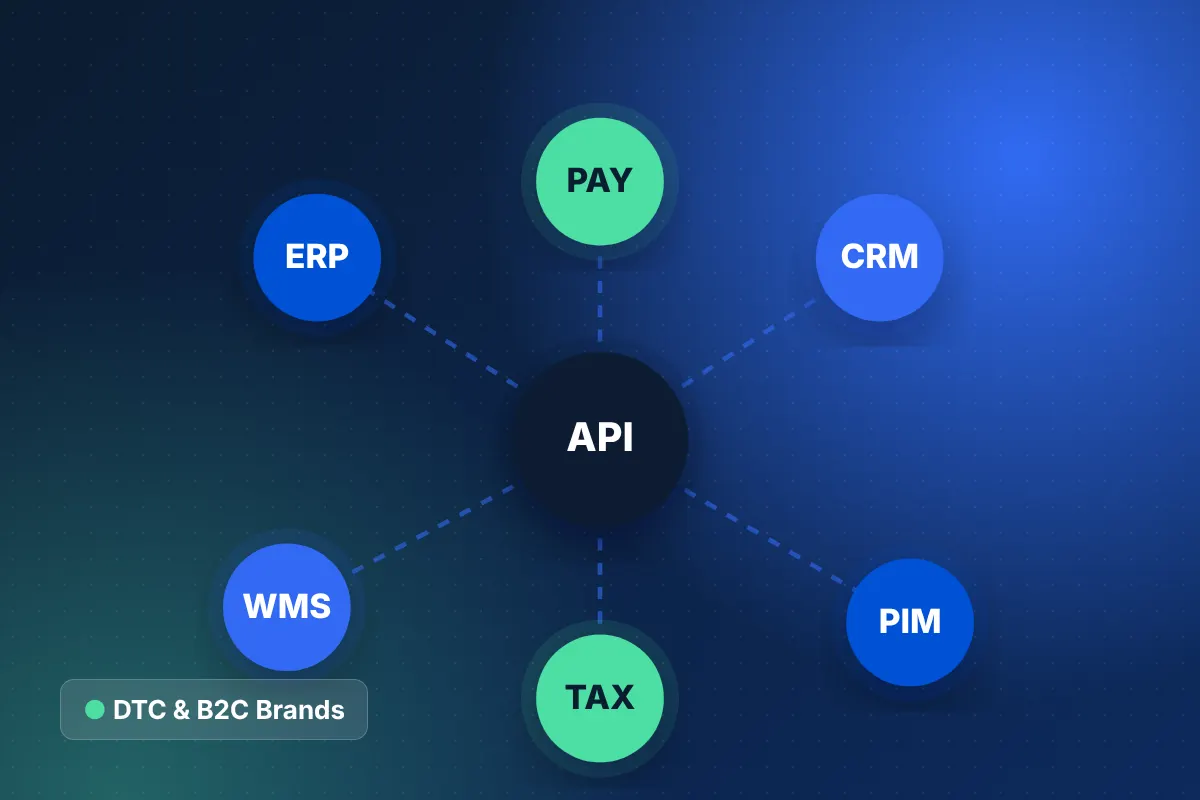
What shoppers see is only half of DTC ecommerce website development. Behind the store sit your email and SMS platform, reviews, loyalty, subscriptions, 3PL or warehouse system and, for larger brands, an ERP. Each integration must pass accurate order, inventory and customer data without slowing the storefront with extra scripts.
We audit every app and tag before adding it, replace overlapping tools where one will do, and move tracking server-side where possible. The result is a store that stays fast six months after launch, not just on launch day.
Shopify, headless or custom: which DTC stack fits your brand?
Most DTC brands should start their DTC ecommerce website development on Shopify or Shopify Plus and move to headless only when content, speed or international needs outgrow a theme. The table below summarizes how we advise clients.
| Stack | When it fits | Trade-off |
|---|---|---|
| Shopify with a custom theme | Growing brands that want speed to market and low maintenance | Theme architecture limits very unusual layouts |
| Shopify Plus | Higher volume, checkout customization, multiple stores or wholesale | Higher platform fee |
| Headless (Next.js + Shopify) | Content-heavy brands, multi-region storefronts, top-tier performance | More engineering and hosting to maintain |
| Fully custom build | Unique product configurators or business rules no platform supports | Largest upfront investment |
Our Shopify development services cover the first two paths, and our headless commerce development team handles composable builds when the brand is ready.
How much does DTC ecommerce website development cost?
Specialized custom DTC stores typically cost $25,000 to $60,000, while headless or multi-region builds range from $60,000 to $150,000+. Focused projects, such as a conversion-led theme rebuild, start around $15,000.
Price is driven by the number of custom templates, the bundle and personalization logic, integrations (ERP, 3PL, loyalty, reviews, subscriptions) and how many regions or currencies you sell in. Every project runs on a fixed-price milestone contract once discovery is complete.
The cheapest option is rarely the lowest-cost one. A template store that converts poorly on mobile quietly costs more in wasted ad spend each month than a well-scoped rebuild. During discovery we model where conversion and order value can improve so you can judge the investment against real numbers from your own analytics.
How we build a DTC store from strategy to launch
DTC ecommerce website development usually takes 8 to 16 weeks through six phases. Each phase ends with a deliverable you approve before we move on.
- Discovery and strategy: customer research, analytics review and conversion priorities.
- Conversion UX/UI design: mobile-first wireframes and designs for product, collection, cart and checkout.
- Architecture and API engineering: app and integration choices that keep the store fast.
- Custom development: theme or headless storefront, bundles, recommendations and tracking.
- Testing and optimization: device testing, performance budgets, accessibility and analytics QA.
- Zero-downtime launch: redirects, tracking verification and a post-launch monitoring window.
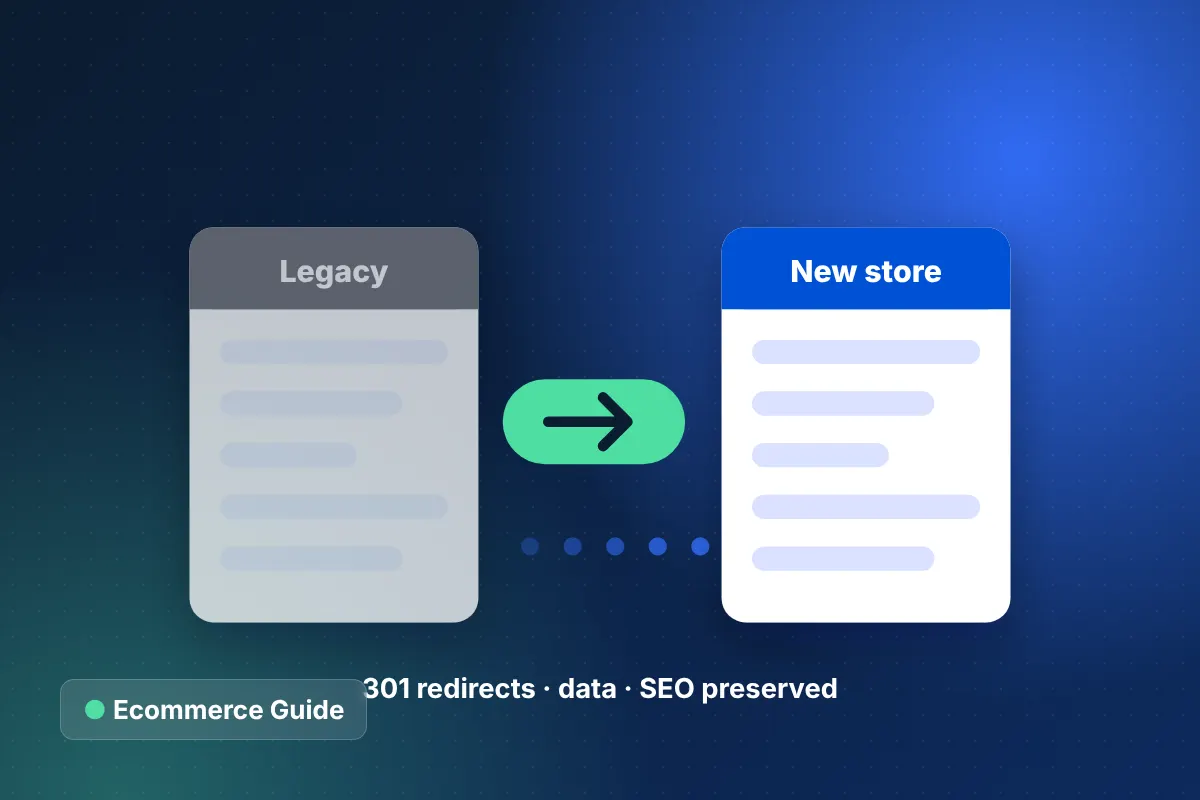
If you are replacing an existing store, we map every old URL to its new home with 301 redirects and compare organic traffic before and after launch, so the new DTC site keeps the search visibility you already earned.
Why DTC brands choose our team
We have shipped 350+ ecommerce projects over 15+ years and work with brands across the US and internationally from our Houston, Texas office. We are a Shopify Plus Certified Partner, and you own 100% of the code and IP we write.
We measure DTC ecommerce website development by conversion rate, average order value and repeat purchase, not by how many pages we design. After launch, 24/7 monitoring and a 15-minute critical response keep the store selling during your biggest drops and sales events.
Start your DTC ecommerce website development project
If your store is slow, hard to update or leaking mobile conversions, a focused plan for DTC ecommerce website development will show where the revenue is hiding. Book a free 30-minute strategy call to review your current store and goals, or get a quick ballpark from the ecommerce website cost calculator.