What is headless commerce development?
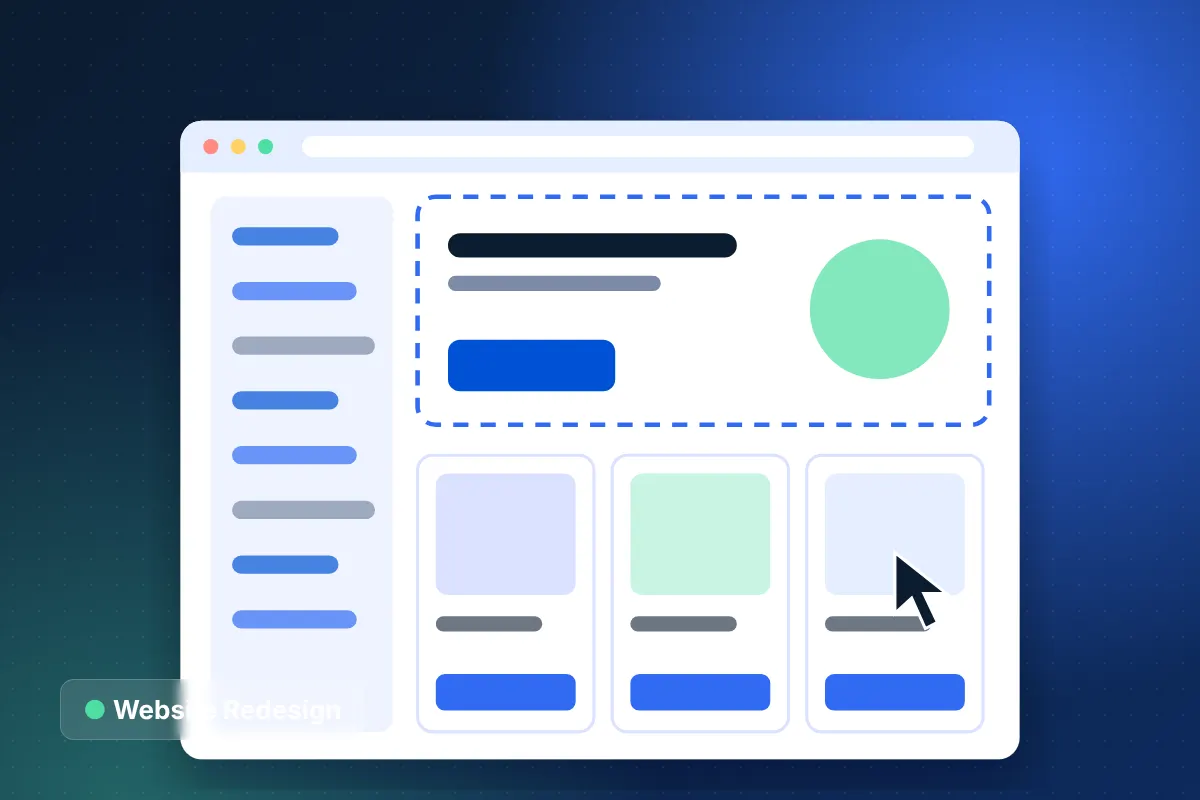
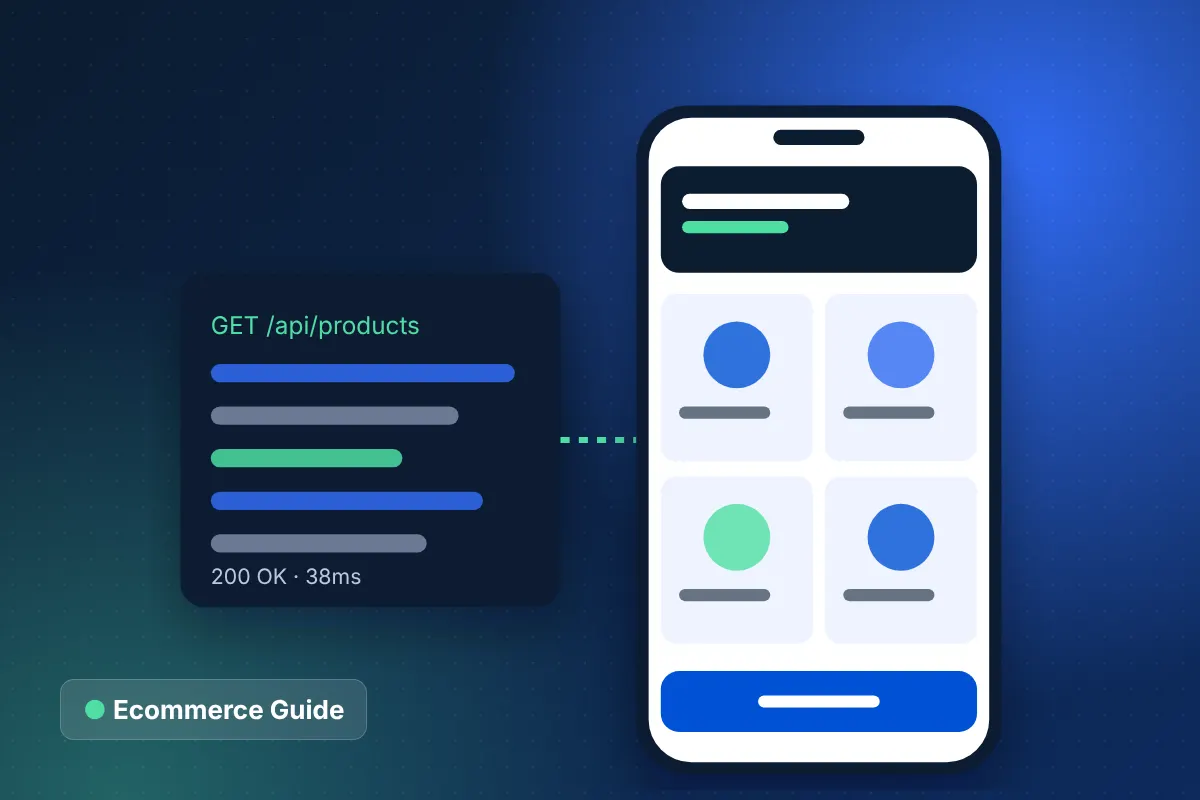
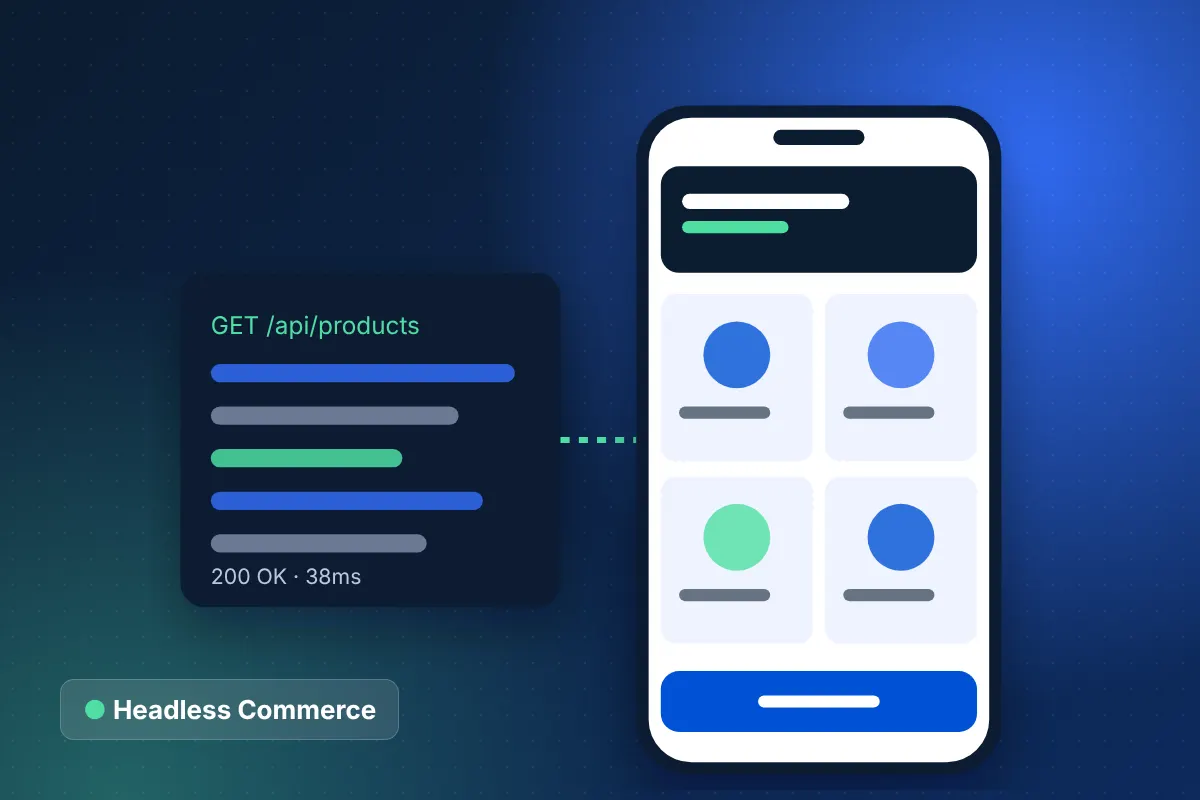
Headless commerce development is the practice of building a custom storefront that talks to your commerce platform only through APIs. The back end still handles products, carts, pricing and orders, while the front end is a separate application you control completely.
In a traditional setup, your theme and your commerce engine are one system, so every design change is limited by what the platform's templating allows. Going headless removes that ceiling. You can design any experience, pull content from a dedicated CMS, and deploy the front end on edge infrastructure for near-instant pages. If you're new to the concept, our explainer on what is headless commerce covers the fundamentals.
When does headless commerce make sense, and when doesn't it?
Headless makes sense when your theme is holding back growth: design limits, slow pages, multiple regions or brands, or content needs a theme can't handle. It doesn't make sense for a small catalog with a standard buying journey, where a well-built theme is cheaper and easier to run.
Strong signals you're ready for headless
- Your brand experience depends on rich editorial content, lookbooks or interactive tools.
- You run several regional or brand storefronts that should share one codebase.
- Page speed and Core Web Vitals are limiting conversion and organic traffic.
- You want to sell through web, mobile apps, kiosks or in-store screens from one back end.
- You have, or plan to retain, development capacity to evolve the front end.
When we recommend staying on a theme
If you have one store, a modest catalog and a lean team, the extra build and hosting cost of headless rarely pays back. In those cases we'll point you to a strong theme build instead, because honest scoping is cheaper than an over-engineered stack. Many brands also start with a hybrid approach, keeping the theme for checkout and account pages while moving high-traffic landing pages to a headless layer first.
What's included in our headless commerce development services
Our headless commerce development services cover everything from architecture to the production storefront and the integrations behind it. A typical project includes:
- Architecture planning: choosing the commerce engine, CMS, search, hosting and data flows, documented before any code is written.
- Storefront build: a Next.js or Hydrogen front end with server-side rendering, incremental static regeneration and edge caching.
- Headless CMS integration: Contentful, Sanity or a similar CMS so marketers can launch pages without developers.
- Search and merchandising: Algolia or platform-native search with filters, synonyms and merchandising rules.
- Checkout and accounts: platform-hosted checkout where possible, so payments stay secure and PCI scope stays small.
- Preview and publishing workflows: draft previews, scheduled content and role-based permissions.
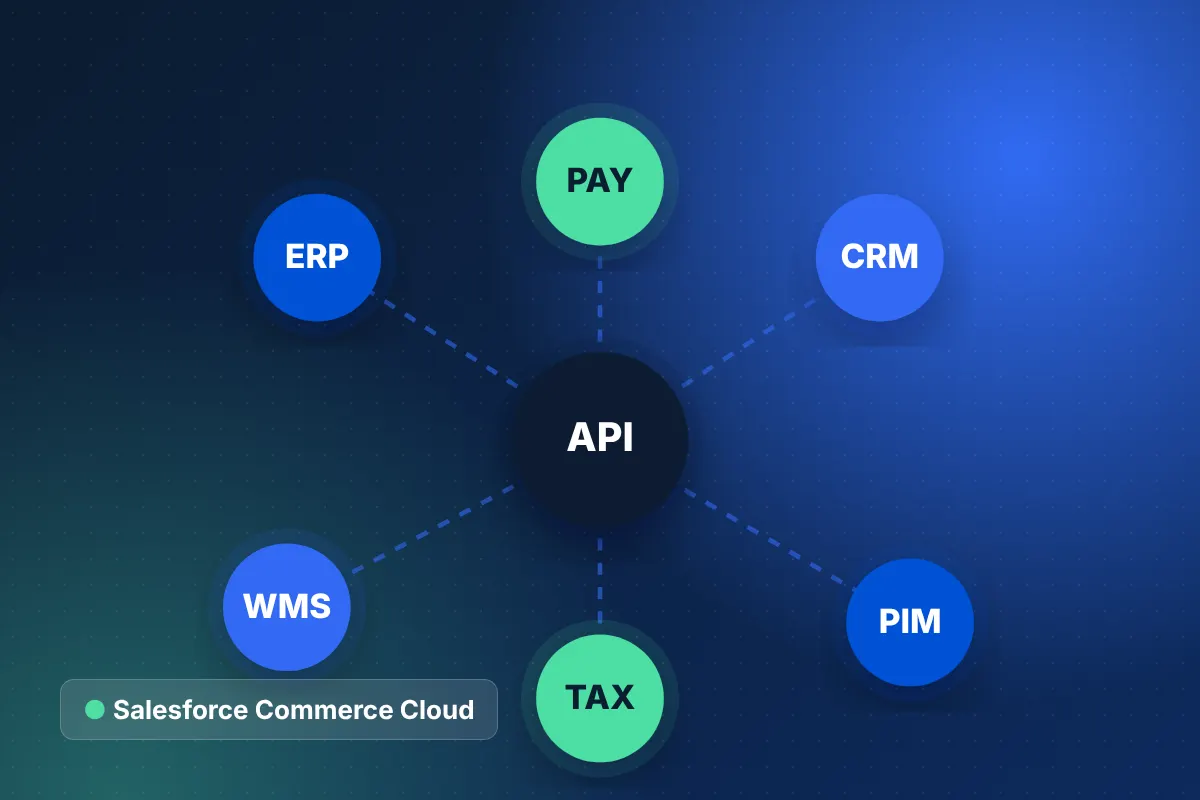
Behind the storefront, we connect the ERP, PIM, reviews, loyalty and analytics tools you already rely on, using server-side API routes so secrets never reach the browser. At handover, your team receives documented architecture, a component library and CI/CD pipelines, so new developers can contribute from day one.
Headless vs monolithic ecommerce: how do they compare?
Monolithic platforms are faster to launch and cheaper to run; headless platforms are faster for shoppers and far more flexible to evolve. The right choice depends on where your constraints are today.
| Factor | Monolithic (theme-based) | Headless / composable |
|---|---|---|
| Design freedom | Limited by theme and templating | Any layout or interaction |
| Page speed potential | Good with careful optimization | Excellent with SSR and edge caching |
| Content management | Platform page builder | Dedicated headless CMS |
| Multi-brand or multi-region | Separate themes per store | One codebase, many storefronts |
| Build cost and time | Lower | Higher |
| Ongoing maintenance | Mostly handled by the platform | Front end owned by your team or partner |
How much does headless commerce development cost?
Headless commerce development usually sits in our upper pricing band: complex headless enterprise builds typically run $60,000–$150,000+, depending on the number of storefronts, integrations and custom features. Smaller single-store headless projects can land in the $25,000–$60,000 range when scope is tight.
Costs are driven by:
- The number of storefronts, languages and currencies.
- Content model complexity and CMS migration.
- Custom features such as configurators, bundles or subscriptions.
- Integrations with ERP, PIM, search, reviews and loyalty tools.
- Hosting, monitoring and preview environments.
Every project runs on fixed-price milestones. For a ballpark, try the ecommerce website cost calculator.
Which stack do we use for headless Shopify and composable commerce?
For most brands we pair Shopify Plus with a Next.js or Hydrogen storefront, because it combines a reliable SaaS back end with a fully custom front end. BigCommerce, Adobe Commerce and commercetools are strong alternatives when catalog or B2B needs call for them.
As a Shopify Plus Certified Partner, our Shopify Plus development agency team builds headless Shopify storefronts on the Storefront API, with checkout extensibility handling payments. For brands that also want app-like behavior on mobile web, we can add offline support and installability through progressive web app ecommerce features.
Choosing a headless CMS
The CMS is the part of a headless stack your marketing team touches every day, so we choose it with them. Contentful suits larger teams that need structured content across many locales, while Sanity offers flexible editing and real-time collaboration. Either way, we model content as reusable blocks, so editors can assemble landing pages, campaigns and buying guides without waiting for a developer sprint.
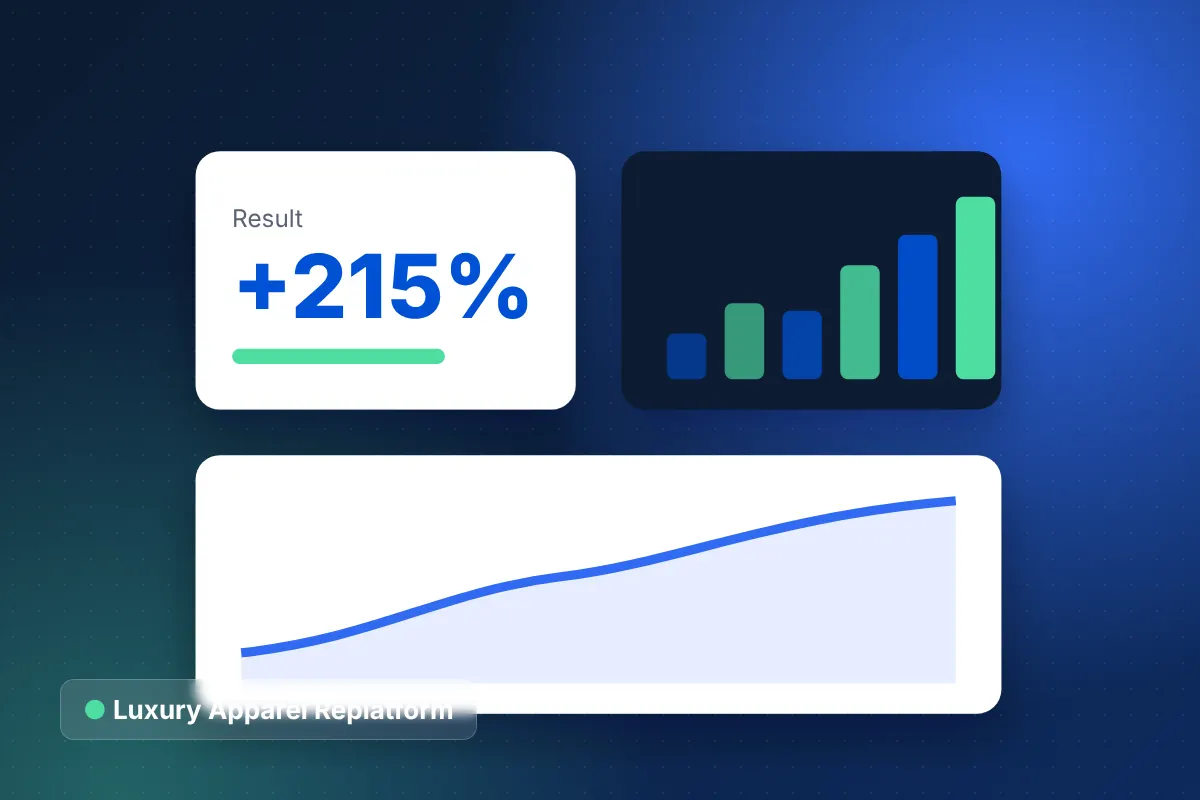
The results can be substantial. In our Magento to Shopify Plus migration case study, a luxury apparel brand moved from a Magento monolith to headless Next.js on Shopify Plus, unifying eight regional stores and achieving a 142% lift in mobile conversion rate with 0.6-second average page loads.
How do we keep headless sites fast and SEO-safe?
We keep headless storefronts fast and search-friendly by rendering pages on the server, caching them at the edge and shipping structured data on every template. Search engines get complete HTML, and shoppers get pages that load in well under a second on good connections.
- Server-side rendering and incremental static regeneration for product and category pages.
- Core Web Vitals budgets: LCP of 2.5s or less, INP of 200ms or less, CLS of 0.1 or less.
- Product, breadcrumb and organization schema generated from live data.
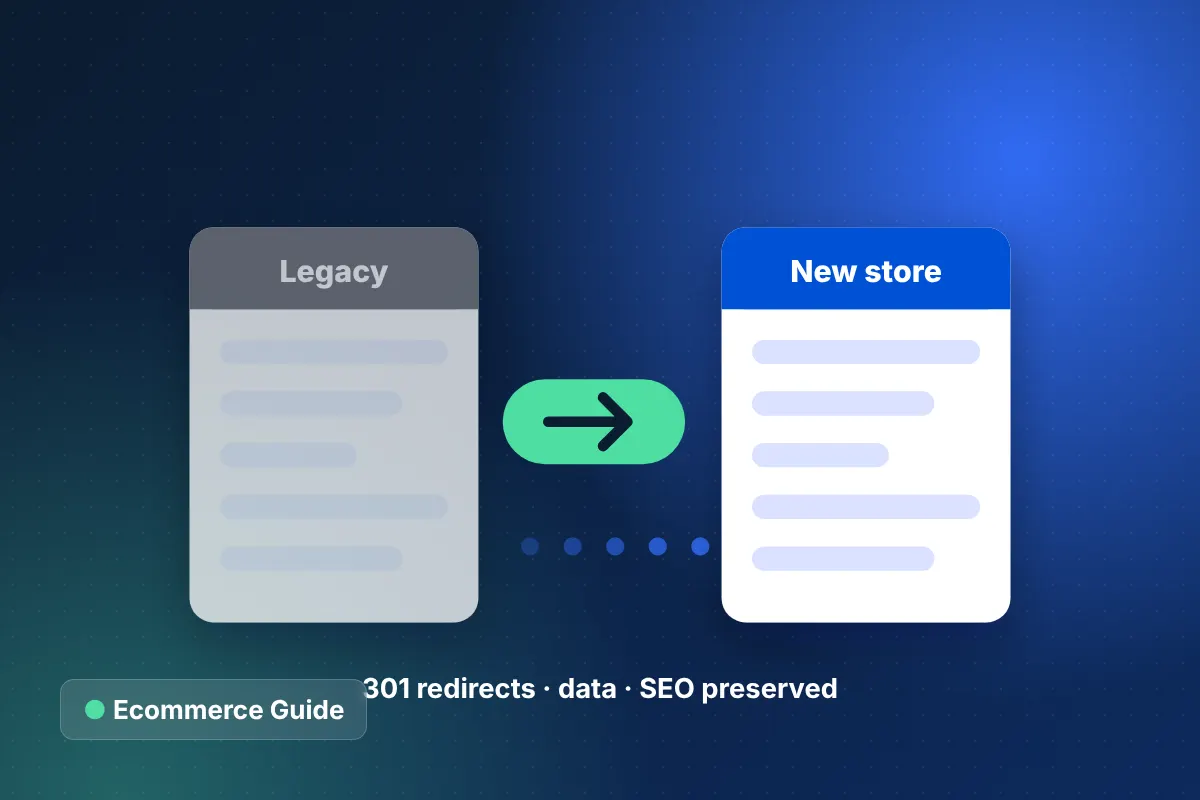
- XML sitemaps, canonical tags and 301 redirect maps managed in code.
- Image optimization with modern formats and responsive sizing.
Builds follow our six-phase process and typically take 8–16 weeks, with zero-downtime launch and 24/7 monitoring afterward. Our Houston, Texas engineering team supports brands across the US and internationally, and you own 100% of the storefront code.
Start your headless commerce project
Not sure whether headless commerce development is worth it for your brand? Book a free ecommerce strategy call and spend 30 minutes with a senior architect who will look at your current stack, traffic and roadmap. You'll leave with a clear recommendation, headless or not, and a free project estimate. You can also run the cost calculator first to frame your budget.